What does a “whole of society” approach to defence look like? Last week, we saw this in action at the annual Armed Forces Covenant Conference in Portsmouth, home to the Royal Navy, where people from across society came together to show their support for the Armed Forces community.
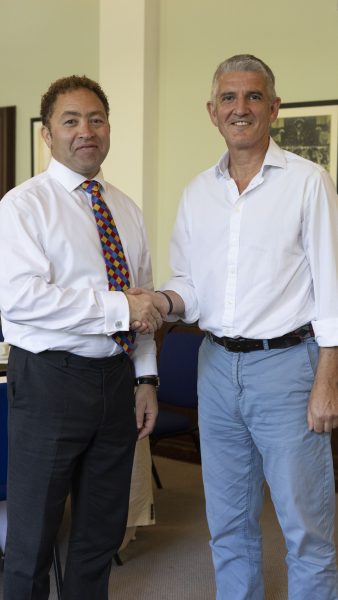
Delegates from Defence, government, local authorities, devolved governments, charities, schools, cadets, industry, families’ organisations and the wider Armed Forces community heard from excellent speakers, shared practical examples, and explored how the Covenant is being delivered on the ground.
What we are celebrating
This year’s conference marked an important moment: the planned expansion of the Armed Forces Covenant Legal Duty.
The Covenant is the nation’s promise that the Armed Forces community will be treated with fairness and respect. It is built on two principles: that they should face no disadvantage because of Service life, and that special provision may be appropriate for those who have given the most, such as the injured and bereaved.
Through the Armed Forces Bill, the government will deliver on its manifesto commitment to place the Covenant more fully into law and to every corner of government where it matters; from education, housing and childcare; to criminal justice and immigration.
This means serving personnel, veterans, families and the bereaved will be consciously considered in more decisions that affect their lives, helping to make support more consistent and turning the Covenant from a moral commitment into a legal one too.
A shared commitment
The conference showed the Covenant at its best: not as a policy owned by one organisation, but as a shared commitment across society.
Sessions covered the Duty expansion, the Armed Forces Bill, local delivery, data, lived experience, families’ needs and veterans’ support, all focused on turning good intent into practical action.
The new Minister for Veterans and People, Calvin Bailey MP, reinforced the importance of recognising and supporting the Armed Forces community and outlined the work ministry of defence is currently doing to deliver the covenant promise. The new Armed Forces Commissioner, Polly Perkins Miller, also set out her ambitions for the role and her commitment to championing the community’s needs.
From promise to practice
A strong theme throughout the conference was that the Covenant only makes a difference when it shapes real decisions. Whether in housing, healthcare, education, employment, transport or family support, delivery depends on people understanding Service life and applying that understanding with care and consistency.
Day Two workshops gave delegates space to test this in practice, using case studies to explore how to recognise Service-related disadvantage, consider evidence, and decide when special provision may be justified.
Keeping up the momentum
As the Covenant moves into its next chapter, the challenge is to keep the momentum built in Portsmouth.
The Strategic Defence Review makes clear that defence is not something delivered by Defence alone. It calls for a whole-of-society approach: widening participation in national resilience and renewing the nation’s contract with those who serve.
The Covenant sits at the heart of that ambition. When public bodies, charities, communities and Defence work together, support for the Armed Forces community becomes more than a promise. It becomes visible in the everyday decisions that shape people’s lives.