Financial and non-financial recognition is available for veterans affected by the Armed Forces LGBT Ban between 1967 and 2000, acknowledging both their service and the impact the ban had on their lives. With applications to the LGBT Financial Recognition Scheme closing on 12 December 2026, it’s important that affected veterans know what is available and where they can access support.
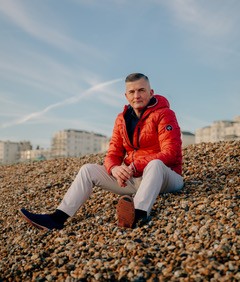
Military charities have a vital role to play in helping that message reach people, particularly those who may no longer be connected to traditional Armed Forces or veteran networks. We spoke to Craig Jones MBE, a Royal Navy veteran, former Executive Chair of LGBT+ military charity Fighting With Pride and Independent Panel Member for the Financial Recognition Scheme, who has been closely involved in the journey from the Independent Review to the delivery of restorative measures, about why spreading the word matters – and the difference partners can make.
Having been involved from the Independent Review through to the delivery of the restorative measures, what has this process meant for veterans affected by the Ban?
For many veterans, the Independent Review was the first time their experiences were formally heard and recorded. The subsequent apology and restorative measures represent an important public acknowledgement that the policy was wrong and that the blame lay not with those who served, but with the system that treated them so unjustly.
No scheme can undo what happened or give people back the careers, relationships and years that were affected. However, measures such as personal apologies, corrected service records, restoration of rank, replacement berets and cap badges, the Etherton Ribbon and financial recognition can carry considerable meaning. They affirm that these veterans served their country, they shared the duty of protecting our peace and freedom and they deserved to have that service treated with dignity. It was my privilege to see these schemes begin to wash away the shame felt by these remarkable veterans and enable them to be recognised as members of the Armed Forces family. Please help us extend this important moment of recognition to all those who experienced ‘the Ban’.
Who could be eligible for recognition, and are there people who might not immediately realise that the schemes could apply to their experience?
The schemes are there for everyone affected by the Ban and not just those who were formally dismissed or discharged. Anyone who served during the period of the Ban and was personally affected may qualify for an Impact Payment and also non-financial restorative measures.
Impact Payments can include recognition for being investigated or questioned; having a relationship exposed; being arrested or subjected to disciplinary action; experiencing harassment, bullying or intrusive medical treatment; being prevented from progressing; having a rank reduced; or simply living under pressure to conceal one’s identity.
Veterans do not necessarily need to possess extensive documentary evidence before applying. Applicants are encouraged to provide any supporting material they have, but if records are missing they should simply explain what happened in as much detail as possible.
Certain non-financial measures are also available to people whose service before 1967 was affected by the criminal law then in force.
A Person of Sufficient Interest, such as a family member, next of kin or close friend, may be able to apply for non-financial measures on behalf of a deceased veteran. The Financial Recognition Scheme, however, is for living veterans personally affected by the Ban.
Why are charities, community groups, employers and other trusted organisations so important in helping to reach those people?
A message is often heard differently when it comes from someone already known and trusted. A veteran who has disengaged from Defence communications may still be connected to a local charity, an LGBTQ+ network, a workplace group, a health professional, a faith or community organisation, or a circle of friends.
These organisations can act as trusted bridges. They do not need to decide whether somebody is eligible or persuade them to disclose personal information. Simply sharing the information discreetly and repeatedly may enable someone to recognise their own experience and choose to find out more.
Those eligible may feel ashamed about applying; do everything you can to help people understand that they served, they are entitled, and the veterans and Armed Forces community wants all those who may be eligible to step forward now! If they are not eligible, we still want them to feel welcome in our veterans’ communities.
Can you share an example of a time when a partner, charity or other organisation helped the message reach an affected veteran who might otherwise have missed it?
One example that stays with me involved a veteran who had been disconnected from the Armed Forces community since the day he was dismissed. Chris learned of the scheme from the work of a military charity in his region. In the years since his dismissal he had felt a grave and debilitating injustice and I spoke to him many times on his ‘journey home’.
I was privileged to attend his ‘Service Ceremony’ where he was presented with an apology and an ‘Etherton Pin’ by an Admiral. He learned about the schemes through an LGBTQ+ organisation and not through a traditional veteran channel. He trusted them and felt able to ask questions and explore the application process at his own pace. It made the difference.
The wider network of allies is so important. A newsletter item, conversation, poster or social-media post can reach someone whom official communications simply cannot.
Please do everything you can.
What difference did that connection ultimately make for the veteran involved?
Chris was a contributor to the anthology book ‘Serving With Pride’.
In his own words:
“For over forty years I’d been dragging a heavy weight behind me that always pulled me back. I was scared to look back in case there was a monster waiting to devour me. Combat Stress gave me the courage to turn and look. With the support of Fighting with Pride I finally found my family, my brothers and sisters in arms, that have held each other as we cried and laughed and cried again. They taught me to walk again, where I had feared to tread and they encouraged me to trust again, where I had lost all trust.”
Whatever the eventual outcome of an application, making that first connection can be significant. It gives the veteran the opportunity to make an informed choice – an opportunity they might otherwise never have known was available.
What support is available for someone who has questions or feels apprehensive about starting an application?
It is entirely understandable that somebody may feel apprehensive. The application could bring back painful memories, and no one should feel they have to work through that alone or rush the process.
The Royal British Legion and Fighting With Pride are partnered with the Financial Recognition Scheme and can help veterans complete an application as well as provide welfare support. Assistance is also available through MOD Veterans Services.
For questions about the Financial Recognition Scheme, applicants can email LGBT-FRScheme@mod.gov.uk. MOD Veterans Services can be contacted on 0808 1914 218 in the UK, from 8am to 4pm Monday to Friday, or at veterans-uk@mod.gov.uk.
With applications closing on 12 December 2026, what would you ask organisations across the Confederation of Service Charities to do now?
I would ask every organisation to take action now and continue communicating the message until the schemes close. Please put the information in newsletters and on websites, share the official graphics through social media, display posters in community settings and brief staff and volunteers who may come into contact with affected veterans or their families.
Please also look beyond your existing membership. Think about the people who left the Armed Forces feeling rejected and who may never have entered a veteran organisation – or may no longer describe themselves as veterans at all. Work with LGBTQ+ groups, employers, health services, care providers and local community networks to extend the message.
Above all, direct anyone who may have been affected to GOV.UK/affected-by-the-ban.
Applications close at 11:59pm on 12 December 2026 and cannot be accepted after that point. Every eligible veteran deserves the opportunity to make an informed choice before time runs out.
Let us together share the duty to make sure that we recognise the service of these remarkable veterans and that we leave no-one behind on this journey of recognition and reparation.
Craig Jones MBE
Royal Navy Veteran and Panel Member
Financial Recognition Scheme
Please read more below
For anyone who may not be familiar with the Armed Forces LGBT Ban or the recognition schemes, what is the most important thing they need to know?
The most important thing to understand is that until 12 January 2000, LGBTQ+ people were prohibited from serving openly in the UK Armed Forces. Many of our fellow service personnel, our friends or our relatives were investigated, interrogated, humiliated, abused, dismissed or discharged simply because of their actual or perceived sexual orientation or gender identity. Others remained in service but lived under constant fear, concealment and pressure. These actions were not the values of our Armed Forces; the Government has accepted that this treatment was wholly unacceptable.
The restorative schemes are intended to acknowledge the harm caused and restore some of the dignity and recognition that affected veterans were denied. Financial recognition and a range of non-financial measures are available, but the clock is ticking and applications must be submitted by 23:59 on 12 December 2026. It is our shared duty to find all of those affected, let them know and support them where needed.
The closing date cannot be moved; this time we must leave no one behind.
Why can it be particularly difficult to reach some of the veterans affected by the Ban through traditional Armed Forces or veteran channels?
The treatment some people experienced caused a profound and lasting breach of trust with the Armed Forces. Veterans who were dismissed, humiliated, abused or made to feel that their service was dishonourable may understandably have avoided military associations, reunions and conventional veteran networks ever since.
Some no longer identify themselves as veterans, despite having served their country. Others may have hidden their military history or their sexual orientation or gender identity from friends, employers and even family members. That means the usual Armed Forces channels cannot reach everyone.
This is why outreach through LGBTQ+ organisations, local charities, employers, health and care services, community groups, friends and families is so important.
What are some of the reasons an affected veteran might not have come forward or applied yet?
Some people remain unaware that the schemes exist. Others know about them but assume they will not qualify because they were not dismissed or because they lack documentary evidence.
There can also be an understandable lack of trust in the institution responsible for the original harm. Completing an application may require someone to revisit experiences they have spent decades trying to put behind them. They may be concerned about privacy, fear that they will not be believed or simply feel uncertain about how to begin.
We should not underestimate those barriers. Our role is to provide clear information, allow people to proceed at their own pace and ensure they know that independent and charitable support is available.
Are there particular places, communities or networks where partners could help the campaign reach people who may currently be missing from traditional outreach?
We need to look well beyond established veteran organisations. Important routes include LGBTQ+ community groups; local and national charities; workplace LGBTQ+ and veteran networks; trade unions; health, wellbeing and counselling services; housing organisations; social clubs; faith groups; and organisations supporting older people.
Offline outreach is equally important. Posters or information in GP surgeries, hospitals, libraries, community centres, care settings and other places used by older veterans or their families could reach people who do not use social media or online veteran services.
Friends, partners and family members are also vital. A person seeing the information may not be eligible themselves, but they may immediately think of somebody who served during the relevant period.
Are there LGBTQ+ veterans whom you know or served with, whom you can support to recognise their eligibility?
For organisations reading this that want to help but aren’t experts on the schemes, what are you actually asking them to do?
We are not asking organisations to become eligibility experts or to advise people on the merits of an application. The most useful thing they can do is raise awareness and direct people to the official GOV.UK information.
That could mean including a short item in a newsletter, sharing the campaign materials on social media, adding a link to a website, displaying a poster or ensuring frontline staff know where to signpost somebody who asks for help.
The central message is simple: if you served in the Armed Forces during the Ban and believe you were affected, find out more before the deadline. Visit GOV.UK/affected-by-the-ban and find out more.
If someone thinks they may have been affected but isn’t sure whether they are eligible, what should they do?
They should not rule themselves out. They should read the eligibility information on GOV.UK/affected-by-the-ban page or contact the Financial Recognition Scheme team for guidance.
A lack of paperwork should not prevent somebody from applying. Applicants are encouraged to include supporting documents where available, but if they do not have them they can provide as much detail as possible in their written account. The MOD can seek relevant service records with the applicant’s consent.
Applications can be made online through the Defence Gateway or using an official paper form. Anyone needing a paper form can request one from the MOD Veterans Services Helpline.
What would you say to an organisation or individual who is worried about starting a sensitive conversation about the Ban with someone they support?
Approach the subject with sensitivity, privacy and no assumptions. You do not need to ask whether somebody is LGBTQ+ or invite them to disclose what happened. A general statement such as, “There are restorative schemes for people affected by the pre-2000 Armed Forces LGBT Ban, and I wanted to make sure you had seen the information,” may be enough.
Give the person control over whether the conversation continues. Avoid pressing for details and do not try to assess their eligibility yourself. Offer the official information and support contacts, then allow them to decide what – if anything – they wish to do.
It may feel uncomfortable to raise the subject, but silence carries its own risk: an eligible veteran could miss the opportunity simply because nobody thought to mention it.