The Royal Naval Association (RNA) has received £30,000 in funding from the Veterans’ Foundation to maintain and strengthen its essential minibus transport service, which recently enabled Second World War veterans to attend a VE Day 81 reception at Number 10 Downing Street.
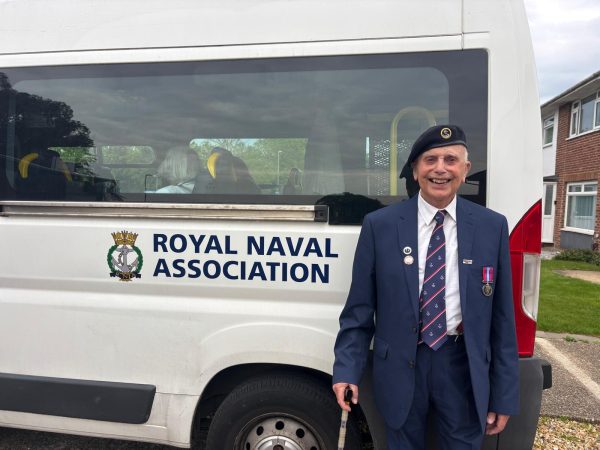
The commemorative journey saw RNA minibuses transport two WW2 veterans, former Wren Dorothy Walsh and sailor Ken Arkell into central London for the historic reception, marking a powerful moment of remembrance and recognition.
Captain Bill Oliphant, CEO of the Royal Naval Association, said:
“We are deeply grateful to the Veterans’ Foundation for this generous £30,000 award, which makes such a tangible difference to our membership.
“Seeing our WWII veterans travel to Number 10 for the VE Day 81 reception was a profoundly moving reminder of why this service matters. These minibuses are not simply transport—they are a lifeline that keeps our naval family connected, active, and included in moments of national significance.
“This funding ensures we can continue to maintain the highest safety standards and sustain a service that so many of our veterans rely upon. We are eternally grateful for the Foundation’s support.”
Stella Atherstone, Chief Operating Officer at Veterans’ Foundation said,
“VE Day 81 is an important moment of remembrance, and we are proud that Veterans’ Foundation funding helped ensure Second World War veterans could attend the reception at Number 10 Downing Street. The Royal Naval Association’s minibus service is a vital lifeline, keeping veterans connected and able to take part in moments of national significance. This £30,000 grant helps ensure that service continues safely and reliably.”
Former Wren, Dorothy Walsh was a codebreaker during WW2. Her family was unaware of her role for decades after the war. Ken Arkell served in the Royal Navy in multiple ships and shore establishments during World War II.
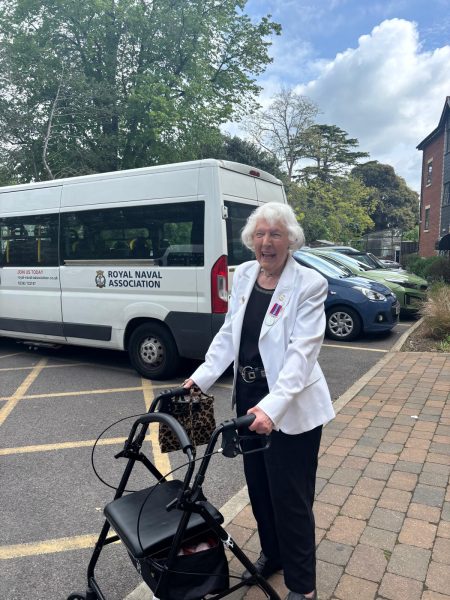
The minibuses are used throughout the year to transport members to welfare events, remembrance services, social gatherings, outreach visits, and community activities across the UK. They are particularly vital for older veterans and those without access to transport, helping maintain strong social connections and participation in the wider naval community.
The £30,000 grant will fund a structured maintenance and safety programme covering annual MOTs, servicing, preventative maintenance, insurance, roadside assistance, and essential repairs. It will also support the upkeep of accessibility features such as wheelchair lifts, restraints, and safety equipment, ensuring inclusive and dignified travel for all users.