A private parliamentary screening of the new documentary Our Planet, the People, My Blood was held yesterday, 13 January 2026, sponsored jointly by Rebecca Long-Bailey MP (Labour, Salford) and Sir John Hayes MP (Conservative, South Holland and The Deepings).
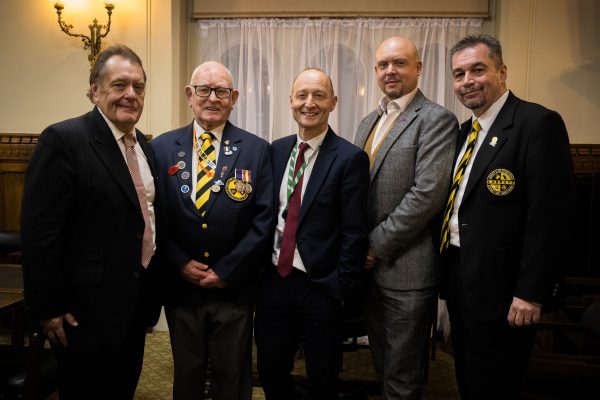
The screening drew Members of Parliament from across the political spectrum, reflecting a shared recognition that the legacy of nuclear weapons testing transcends party politics and continues to affect communities across generations and across the globe.
The documentary explores the human cost of nuclear testing, giving voice to British nuclear veterans and Indigenous communities from affected test sites worldwide. Coming at a time when a UK internal inquiry report on nuclear testing is yet to be published, the film shines a light on a story that has been ignored for decades and adds to the growing public and international dialogue on nuclear accountability.
Award-winning producer and director Daniel Everitt-Lock spent three years independently producing the film, travelling over 150,000 kilometres to uncover and document these untold stories.
“The time for recognition is long overdue,” said Everitt-Lock. “This film will ensure these voices can no longer be ignored.”
Our Planet, the People, My Blood has been formally endorsed by ICAN (the International Campaign to Abolish Nuclear Weapons, Nobel Peace Prize-winning UN coalition) and LABRATS, the UK organisation supporting nuclear veterans, Indigenous communities, and families affected by atomic testing. The film prominently features Alan, LABRATS’ founder, whose tireless advocacy and personal story lie at the heart of the documentary’s mission to secure recognition, justice, and accountability for those impacted.
Cross-Party Response
Sir John Hayes MP highlighted the campaign’s long struggle:
“This outstanding film chronicles a decades-long campaign for the recognition of those who witnessed the first nuclear tests. Recognition must go beyond a medal, it must include acceptance of the effects of radiation on them and their descendants. The work addressed in this film will, in the end, deliver what these people deserve: justice.”
John McDonnell MP (Labour, Hayes and Harlington) described it as:
“An exposé of the injustice that people have suffered, and one that puts an onus of responsibility on all of us to secure redress for the victims.”
Liz Saville Roberts MP (Plaid Cymru, Dwyfor Meirionnydd) emphasised the historical and moral weight of the story:
“Scientists knew in the 1950s and 60s what the data was showing, yet a culture of cover-up and avoidance of responsibility followed. Through powerful testimony, the documentary shows how these harms are still affecting generations. We have a duty to those affected, and to their descendants.”
Paul Waugh MP (Labour Co-op, Rochdale) stressed urgent government action:
“This film tells the human story of the British veterans, but it also tells the story of the Indigenous people who were affected. There are so many victims in this, across so many different countries, that the momentum for change now has to become urgent.
“Ultimately, there must be a reckoning, a full recognition by the state that we failed these people in the most fundamental way.”
Cameron Thomas MP (Liberal Democrat, Tewkesbury) reflected on the responsibility of those holding knowledge:
“One of the things this documentary made me reflect on is that somewhere, there is a person, or perhaps a small group of people, who knows what happened to the medical records, or even where they are, if they still exist. That person could make a real step change by doing the right thing and bringing this injustice into the light.”
A Call for Accountability
Our Planet, the People, My Blood underscores the continuing impact of nuclear testing, from long-term health effects to genetic damage and unanswered questions around missing medical records. The film adds significant momentum to ongoing calls for transparency, access to documentation, formal acknowledgement, and redress for those affected.
The filmmakers and parliamentary supporters hope the documentary will contribute meaningfully to renewed efforts within government to confront this legacy and deliver justice to veterans, affected communities, and future generations.