Living overseas can place additional pressures on parents in Armed Forces families. Separation from extended family, cultural differences and frequent change can all affect emotional wellbeing, particularly during pregnancy and the early years of parental life.
Through its Community Health Team, SSAFA, the Armed Forces charity, supports parental mental wellbeing overseas by embedding conversations about emotional health into everyday care. Rather than treating mental health as a separate issue, this approach recognises it as part of routine antenatal, postnatal and family support.
In some overseas settings, cultural understanding plays a considerable role in how mental wellbeing is discussed. In British Forces Brunei, where there is a long-established Gurkha presence, the Community Health Team supports many Nepali families. In this context, there is no direct word for “depression”, so conversations instead focus on mood, emotional wellbeing, relationships and bonding, helping parents feel listened to and supported in ways that reflect their cultural context.
Support also takes place beyond appointments. In British Army Training Unit Kenya (BATUK), members of the Community Health Team have introduced informal wellbeing walks for mothers with babies under the age of one. The weekly walks offer an opportunity for parents to get out of the house, socialise and support one another, before finishing at a coffee morning on camp. The focus is simple: connection, movement and shared experience.
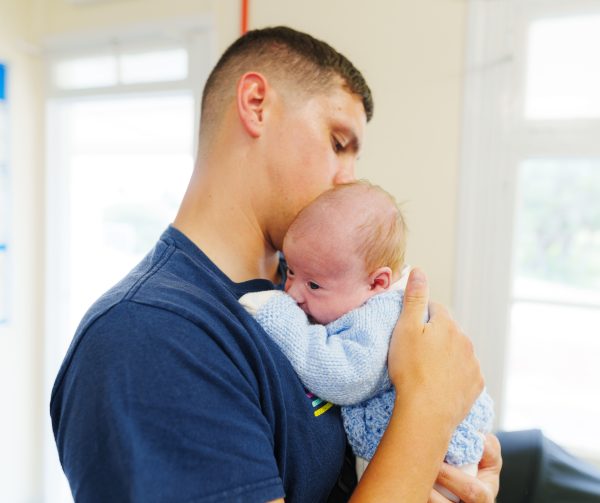
Work to support parental mental wellbeing also includes making sure fathers feel included and heard. Kerry Riley, Public Health and Engagement Manager with SSAFA’s Community Health Team, has drawn on the Institute of Health Visiting’s Invisible film as part of this work, using it to help promote discussion and raise awareness of the mental health challenges some dads can face, particularly when living overseas. By encouraging reflection and conversation, the film has informed everyday practice, including creating space for dads to attend sessions and take part in discussions about early parenthood and emotional wellbeing.
Kerry said,
“Fathers don’t always see themselves reflected in conversations about early parenthood. Using resources like the Invisible film helps open the door to those discussions and signals that dads’ experiences matter too.”
This work shows how parental mental wellbeing support often happens in ordinary moments, through routine conversations, shared activities and opportunities to connect. By building trust over time and creating space for parents to talk openly, the SSAFA Community Health Team helps normalise discussions around mental wellbeing as part of everyday family life overseas.
Through its work overseas, SSAFA supports parents to feel heard, understood and supported during key stages of family life, helping to protect wellbeing and strengthen families without them having to face those challenges alone.
For more information about the services and support SSAFA’s Community Health Team provides to military families overseas, please visit its webpage here or the SSAFA Community Health Facebook page.